
Villa OVerdon
Gorges du Verdon Travel Guide: Plan Your Stay
Prepare Your Stay in the Gorges du Verdon: The Practical Guide
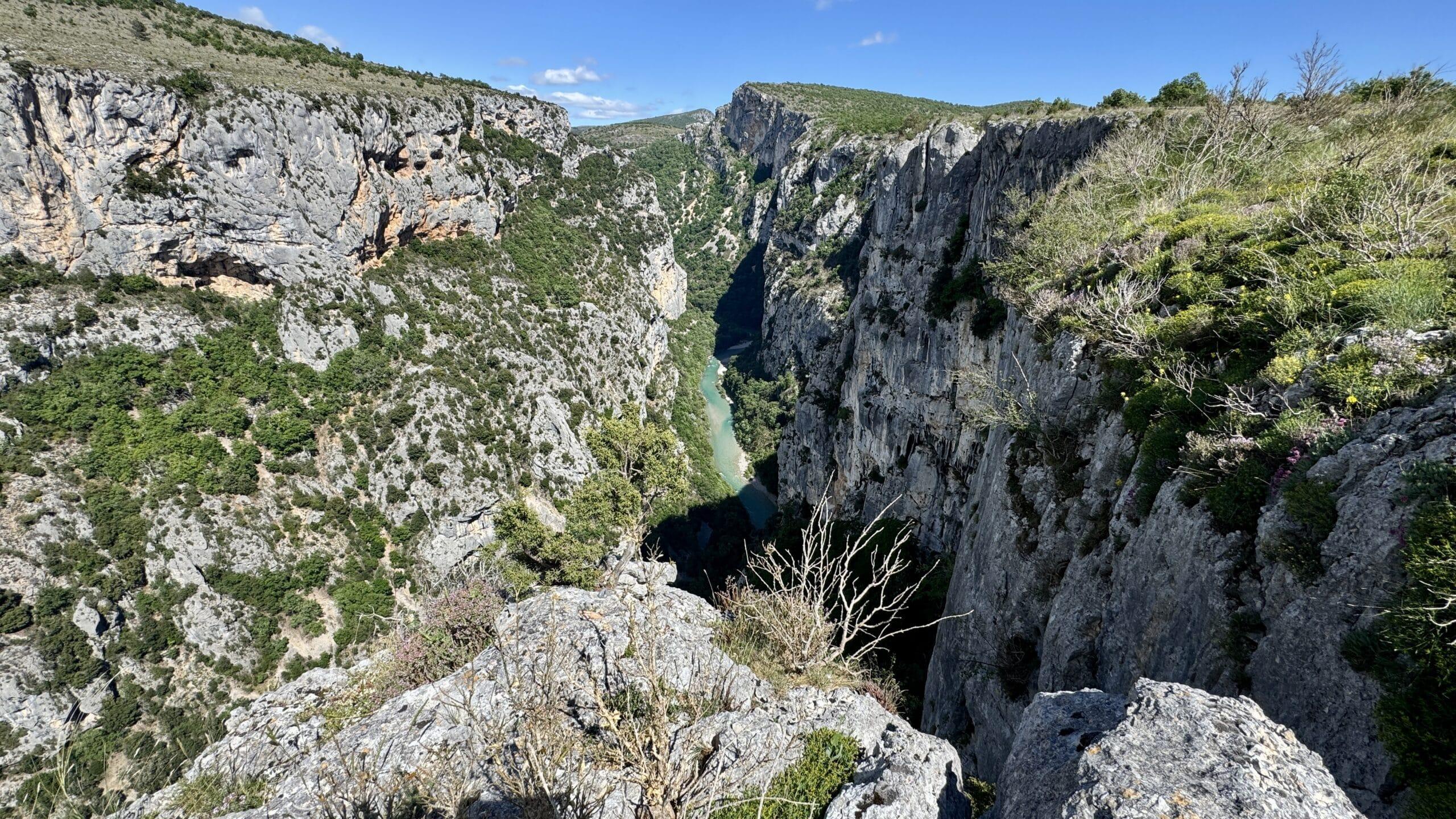
The Gorges du Verdon is a 21 km canyon carved between 700-meter cliffs, turquoise waters, and a characterful Provençal hinterland. The territory has been a Regional Nature Park since 1997 and a Natura 2000 site — it's a preserved corner, and it shows.
The Grand Canyon stretches between Castellane and the Pont de Galetas, where it meets the Lake Sainte-Croix (2,200 hectares of clear waters). Two panoramic roads — the Route des Crêtes (D23) to the north and the Corniche Sublime (D71) to the south — run along the canyon at altitude. Between them: dozens of hiking trails, world-renowned climbing cliffs, kayaking and paddleboarding, and perched villages like Aiguines or Moustiers-Sainte-Marie.
But with so many options, you don't always know where to start. What's the best season? Do you need to book in advance? How many days should you plan? Where should you stay to be in the heart of the action?
This Gorges du Verdon FAQ groups together the most frequent questions from our travelers: best visiting period, access from major cities, must-do activities, legendary hiking trails, kayaking, villages to explore, and practical tips for a successful stay. Each answer is supplemented by links to our detailed guides to learn more.
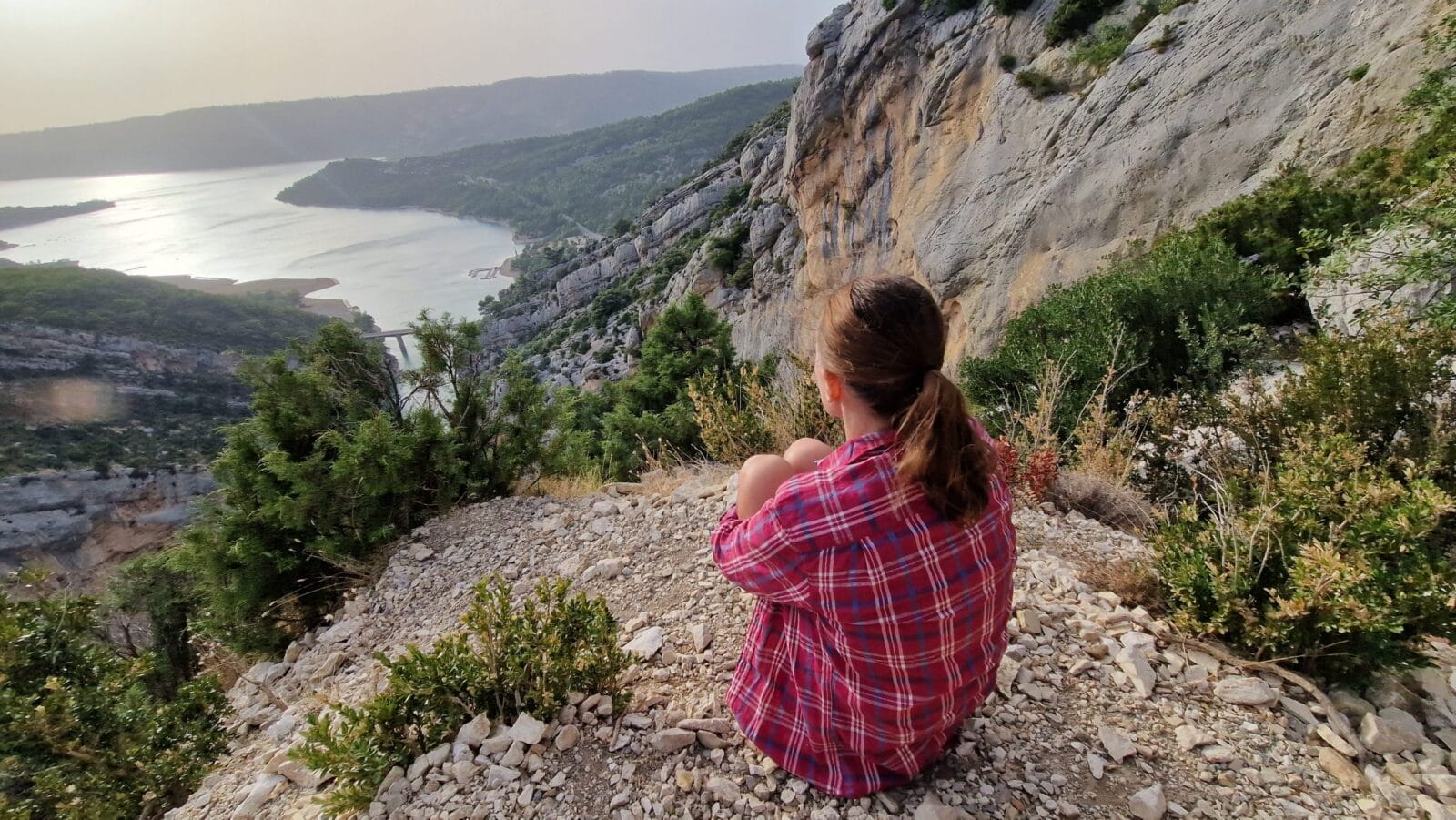
When to Visit the Gorges du Verdon?
The Verdon can be visited year-round, but each season has its own character. In spring (April-June), it's the best time for hiking: wildflowers on the ridges, waterfalls fed by snowmelt, quiet trails, pleasant temperatures (15-25 °C). It's the season locals prefer — we do our best outings then.
Summer (July-August) attracts water lovers: swimming at Lake Sainte-Croix, kayaking in the canyon, paddleboarding, pedal boats. Days are long and warm (30-38 °C). The downside: it's peak season. Lake parking lots fill by 10 a.m. and ridge roads can get crowded. Tip: arrive before 9 a.m. or take advantage of late afternoons.
Autumn (September-October) combines the best of both worlds: water still warm, golden light, noticeably fewer visitors. Ideal for couples and photographers.
Winter is peaceful, but the gorges have a raw charm. Hiking possible on the plateaus, Christmas markets in Moustiers-Sainte-Marie, absolute calm. Some accommodations and water activities close — check ahead.
Frequently Asked Questions About the Gorges du Verdon
1. How do I access the Gorges du Verdon?
From Aix-en-Provence: 1 h 30 via A51 then D952.
From Nice: 2 h via the Napoleon Road (N85) then D952.
From Marseille: 1 h 45 via A51.
North route (via Castellane): more spectacular, with the Point Sublime as entrance. South route (via Aups/Aiguines): direct access to the lake and the Corniche Sublime. No practical public transport — a car is essential.
2. How many days should I plan?
Minimum 3 days to see the essentials: lake, gorges, a village, a hike. Ideal: 5 to 7 days to explore both sides, do the Blanc-Martel trail, paddle down the canyon by kayak, visit villages, and enjoy the Verdon's slow pace.
3. Where should I stay?
The best location is Aiguines: a perched village between Lake Sainte-Croix and the entrance to the Grand Canyon. 2 min from the beach, 5 min from the Route des Crêtes, and peaceful. Villa OVerdon is a charming house for 6 people (3 bedrooms, panoramic view over the lake) — ideal as a base to explore the region.
4. What are the must-do activities?
The Verdon offers a wide range of outdoor activities:
- Hiking: Blanc-Martel trail (legendary, 15 km), Grand Margès (360° view), Plein Voir and Galetas viewpoints.
- Whitewater: kayaking in the canyon, rafting (spring), canyoning.
- Lake Sainte-Croix: swimming, paddleboarding, pedal boats, diving. Main access via Pont de Galetas.
- Climbing: legendary cliffs (Escalès, Maline, Encastel), 1,500+ routes.
- Panoramic roads: Route des Crêtes (D23), Corniche Sublime (D71), viewpoints and tunnels.
- Villages: Moustiers-Sainte-Marie (pottery, star), Aiguines (castle, turned-wood crafts), Castellane, Riez.
5. Can you swim in the gorges?
Yes. Lake Sainte-Croix is the main spot: turquoise waters, pleasant summer temperature (22-25 °C). Beaches at Pont de Galetas are closest to Aiguines. Swimming in the canyon itself is possible but the water stays cool (12-16 °C) even in summer — bring a brave swimsuit or a wetsuit.
6. Do I need to book in advance?
In summer (July-August): yes, especially for accommodation and guided activities (canyoning, rafting, guided kayaking). Book 2-3 months ahead.
Off-season: 2-3 weeks are enough for most activities. For Villa OVerdon, book several months ahead during peak season.
7. Is the Route des Crêtes accessible in summer?
Yes, but the Route des Crêtes (D23) is a one-way loop in summer (usually mid-June to mid-September). It closes in winter if there's snow or ice. Allow 1 h 30 to 2 h for the loop, with stops at viewpoints.
8. How do I hike the Blanc-Martel trail?
The Blanc-Martel trail (15 km, 5-7 h, elevation ≈ 800 m) is the signature trek of the Verdon. Starting at Chalet de la Maline, finishing at Point Sublime. It's a point-to-point trail — you need to arrange a return transport (Blanc-Martel shuttle in summer, or two cars). Bring a headlamp (tunnels), water (2L minimum), and hiking boots. Not recommended for children under 7 or people prone to vertigo.
9. How does kayaking in the gorges work?
Two main options:
- Kayaking on the lake: depart from Pont de Galetas, paddle up the Lower Gorges for 2 to 8 km. Calm water, spectacular cliffs, accessible to all. Rental on site (≈ 15-25 €/h).
- Kayaking/rafting in the Grand Canyon: guided by a professional, whitewater (class II-III in spring). Booking required.
The lake is perfect for families; the canyon for sportspeople.
10. Which villages should I visit around the Verdon?
The must-sees:
- Aiguines: Renaissance castle, turned-wood crafts, breathtaking view over the lake.
- Moustiers-Sainte-Marie: classified village, pottery, suspended star between two cliffs.
- Castellane: north entrance to the canyon, hilltop chapel, rafting base.
- Riez: Roman columns, Provençal market, lavender fields nearby.
- Sainte-Croix-du-Verdon: beach, panoramic view over the lake.
Check out our interactive map to locate all points of interest.
11. Is the Verdon suitable for families with children?
Absolutely. Lake Sainte-Croix is perfect for children: calm, shallow waters near beaches, pedal boats, supervised swimming in summer. For hiking, the Lizard Trail (Aiguines, 45 min) or the Route des Crêtes viewpoints (car access, short walk) are suitable from age 4-5. However, avoid Blanc-Martel with children under 7.
12. Are there Provençal markets?
Several markets enliven the region:
- Aiguines: Wednesday and Saturday mornings (summer).
- Moustiers-Sainte-Marie: Friday morning (year-round).
- Riez: Wednesday and Saturday mornings.
- Aups: Wednesday and Saturday, large reputable market (truffles in winter).
Local specialties: olive oil, lavender honey, goat cheeses, tapenade, bagged lavender.
13. Can you visit the gorges in winter?
Yes, but the offer is reduced. Some accommodations close, water activities stop, and the Route des Crêtes may be closed (snow/ice). On the other hand, hiking on the plateaus remains possible, villages are peaceful, and winter light on the canyon is magical. Remember to check openings before you go.
14. What budget should I plan for?
Here are some guidelines:
- Kayak rental on lake: 15-25 €/h per person.
- Canyoning or guided rafting: 45-70 €/person.
- Pedal boat (4 seats): 25-35 €/h.
- Lake parking (Galetas): paid in summer (5-8 €/day).
- Meal on a terrace (village): 18-30 €.
Hiking, viewpoints, and lake swimming are free — the Verdon is also enjoyed on a budget.
15. Where are the most beautiful viewpoints?
The iconic viewpoints:
- Escalès Viewpoint (Route des Crêtes): vertiginous, 700 m drop.
- Plein Voir Viewpoint: view over the lake and canyon entrance.
- Balcons de la Mescla (Corniche Sublime): Verdon-Artuby confluence.
- Point Sublime: north entrance to the canyon, finish of Blanc-Martel.
- Pont de Galetas: the icon, where the canyon meets the lake.
Find them all on our interactive map.
Explore the Gorges du Verdon with Our Interactive Map
80+ classified locations, category filters, detailed profiles — find your next discovery.
What to Do in the Gorges du Verdon? The Best Activities!
Discover the best activities in the Gorges du Verdon: hiking, kayaking, climbing, swimming. Complete guide with difficulty rating and family accessibility.
What Makes the Gorges du Verdon Famous Worldwide?
Discover the origins of the Gorges du Verdon’s reputation, a natural gem of Europe prized for its unique landscape and activities.
Hike Baisse de Courchon (920m): loop via Ravin de Notre-Dame from Moustiers-Sainte-Marie
6.5 km loop from Moustiers via Ravin de Notre-Dame, Notre-Dame-de-Beauvoir Chapel and Baisse de Courchon (920m). Panorama of Lake Sainte-Croix, Roman Road. GPX trace and photos.
Hike Gorges de Baudinard: lake turquoise, secret canyon and Sainte-Croix dam
Hike Gorges de Baudinard: 6.5 km loop, turquoise Montpezat lake, secret canyon, view of Sainte-Croix dam. Complete guide, GPS, photos and tips.
What to Do in the Gorges du Verdon with Children and Teens? Complete Family Guide
Beaches, canoeing, rafting, climbing, paragliding: a complete family guide for a stay in the Verdon Gorges with children and teenagers. Activities by age group from Aiguines.
Why Visit the Gorges du Verdon? Europe’s Grand Canyon Destination
Turquoise waters, dramatic cliffs, panoramic roads and charming villages: discover why the Gorges du Verdon captivates European travellers seeking nature, tranquility and authentic Provence.
Before You Go: Practical Tips for Visiting the Verdon Gorge
Plan your perfect holiday in the Verdon Gorge with our practical tips on accommodation, activities, sightseeing, and the best times to visit.
Gorges du Verdon – History, Location and Secrets of Europe’s Largest Gorge
Discover the fascinating history of the Gorges du Verdon, their location between Alpes-de-Haute-Provence and Var, and the landscapes that make it France’s finest gorge. A complete guide for planning your visit.